

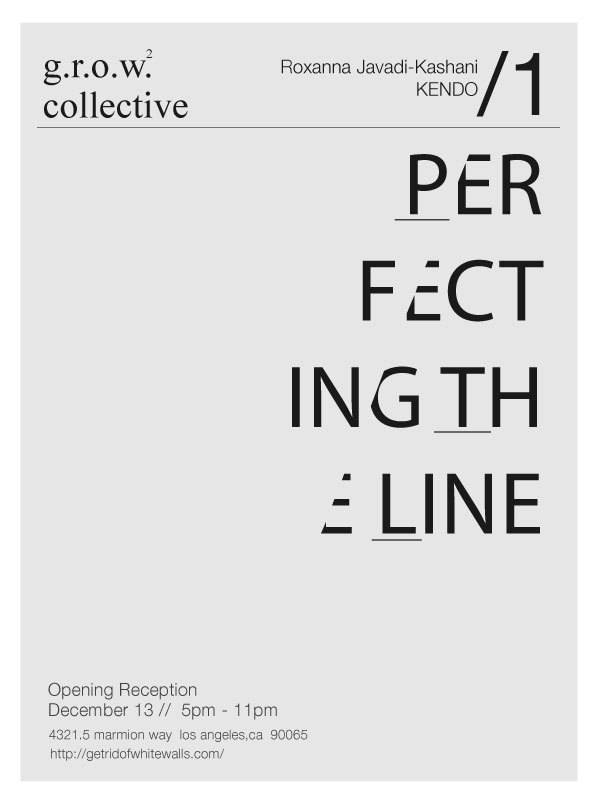
 Level One consisted of
 I have been having "happenings" during lunch time in Los Angeles. The project "Mass Collection 1" is about well that. Mass collection! The medium is chewed gum and plexi glass. I stand in a specific spot for 3 hours and ask people to come and chew a piece of gum and place it where ever they feel it belongs on the plexi. If some one is passing by with gum already in their mouth, I ask them to place that piece on the plexi and I give them a new piece. The gum is a Mexican brand of Chicklets and come in a variety of flavor and colors. This piece also is about mark making and territory. So far, I have had 2 of these happenings.
 The first site was Downtown Los Angeles by the Public Library. There, the demographics of the crowd was mainly people in suits, bike messengers, and some homeless. There were even some tourists in the mix. Here are some
  of the photos of the piece and the making of it.


 where ever you saw fit, preferably on the plastic. This piece was also more 3dimentional, where people would add to each others mounds. People were also bringing up a precedent gum wall in Northern CA.
 The next stop is Chinatown. Other sites are heavy pedestrian places... I might be in Venice Beach tomorrow doing it so come on by.
The source films this year:
http://www.archive.org/details/DIA40
http://www.archive.org/details/twenty-five_hour_day
http://www.archive.org/details/RCA16mmS1958
 Bras bras bras! So I am back in LA (finally) after being away for a month. My travels took me to Minneapolis, Pittsburgh, Philadelphia, and NYC.


Vandalism is usually considered a ruthless destruction of property, including spoiling anything beautiful or venerable. Like most forms of defacement or property damage, it usually involves the destruction (removal) or covering up of existing matter, creating what some refer to as an “eyesore.” In some cases, however, the eyesores are the legally created constructs, or the willful neglect of existing property. These are far crasser than anything graffiti or other street works could possibly claim to be. There are other forms of unlawful works of architecture as well, including the squatting and illegal housing that makes up nearly 1/3 of the world’s population. But these things, along with most things in our environment, go unnoticed. This thesis attempts to break people out of this form of complacency, or what Guy Debord refers to as the ‘spectacle.’ This is done through the radical reorientation of the environment that allows people to be reintroduced to their surroundings. This hyper-awareness, created through illegal acts of architecture, will reestablish the authenticity of daily life and critical thought. What makes an “Illegal Act of Architecture” is that it is illegal through its implementation within the city. It is set up without permission or even the acknowledgement of the city. It is a gift to the city, gifted through the sabotage of its immediate surroundings. It lacks permits, and can be seen as a form of vandalism, but does little to no harm and doesn’t diminish its surroundings. These works illegal works of architecture give more to the environment than it takes away.
 The part that I documented and edited was his third installation of the Illegal Acts. These were a set of 12 medicine cabinets installed throughout downtown. Medical cabinets are objects typically used in personal/private space within a home. Here they were put into the most public spaces in town. Inside the cabinets a mirror and a toy that corresponded (ironically most of the time) to its surroundings.


